Sailing from St Martin
The Caribbean’s most underrated charter base — and one of the most rewarding once you know these waters.
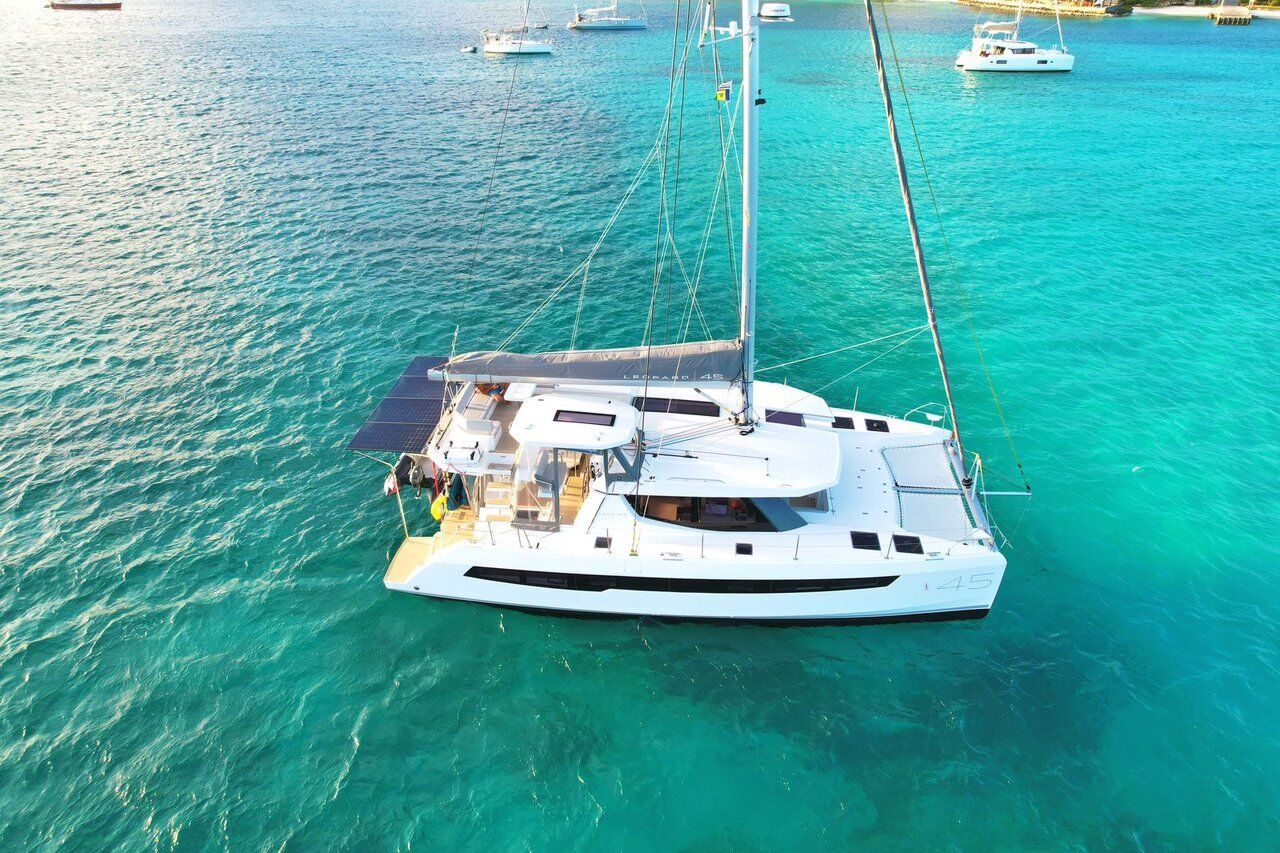
Most sailors planning a Caribbean charter start with the British Virgin Islands. Then maybe the Grenadines. St Martin usually comes later — almost as an afterthought — which is probably why the people who sail here tend to come back.
Because once you leave the lagoon, the whole northern Caribbean starts opening up around you.
Short passages. Constantly changing scenery. French side, Dutch side, Anguilla, Tintamarre, St Barths… all close enough to build a real island-hopping itinerary without spending your entire week underway.
That balance is surprisingly rare in the Caribbean — and it’s what makes St Martin such a rewarding place to charter a boat.
Why sail from here
Why St Martin is one of the most rewarding bareboat bases in the Caribbean
One of the biggest advantages of sailing from St Martin is how much you can realistically cover without needing long offshore passages between islands.
Anguilla, St Barths, Tintamarre, Pinel, and the northern coast of Saint-Martin itself all sit within relatively manageable sailing distances, which allows itineraries to stay flexible throughout the week depending on weather and crew experience.
The island also has some of the best sailing infrastructure in the northeastern Caribbean.
Most charter activity centers around Simpson Bay Lagoon on the Dutch side and the marinas of Marigot or Anse Marcel on the French side. Fuel, provisioning, marine services, technical support, customs facilities, and haul-out infrastructure are all easy to access compared to many smaller Caribbean islands.
St Martin works because it gives sailors options. You can build a real island-hopping itinerary, but still keep the trip flexible if the weather, swell, or crew energy changes during the week.
Winter conditions are generally what attract most sailors here. From December through April, the northeast trade winds typically create reliable sailing conditions across the northern islands, while still allowing relatively protected cruising along parts of the leeward coast depending on swell direction and weather patterns.
And unlike some Caribbean charter destinations where the sailing becomes secondary to staying at anchor, St Martin still feels built around moving between islands.
Most days naturally become a mix of actual sailing, swimming stops, marina evenings, customs clearances, beach lunches, and short passages that keep the trip feeling active without becoming exhausting.
Island-hopping routes
Where you can sail from St Martin — St Maarten
This is where St Martin starts becoming addictive for sailors. Everything sits relatively close together, but nothing feels repetitive. The islands change constantly around you — different colors, different coastlines, different atmospheres — without forcing long overnight passages between stops.
From Simpson Bay or Marigot, you can build an entire week around short, satisfying sails that still feel like genuine island-hopping.
Anguilla
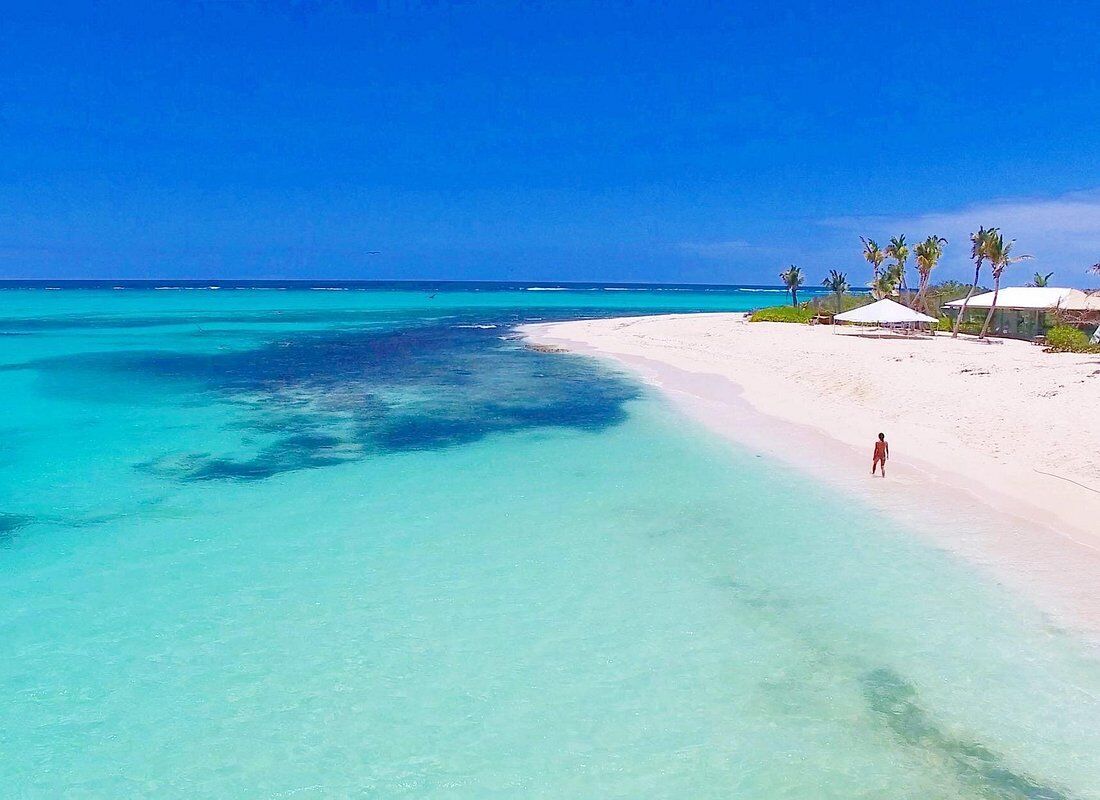
Only a few hours north of St Martin, but the atmosphere changes almost immediately once you arrive.
The coastline flattens out, the water turns impossibly clear on the leeward side, and everything starts feeling quieter, slower, more spaced out. Sandy Ground remains the main clearance port for private vessels, and once formalities are done, the island opens into long white beaches, calm anchorages, and some of the clearest water anywhere in this part of the Caribbean.
Anguilla works best as your first or second stop, or as a relaxed return option before clearing back into St Martin.
St Barths
The sailing culture is one of those obvious places where everyone belongs after the trip ends.
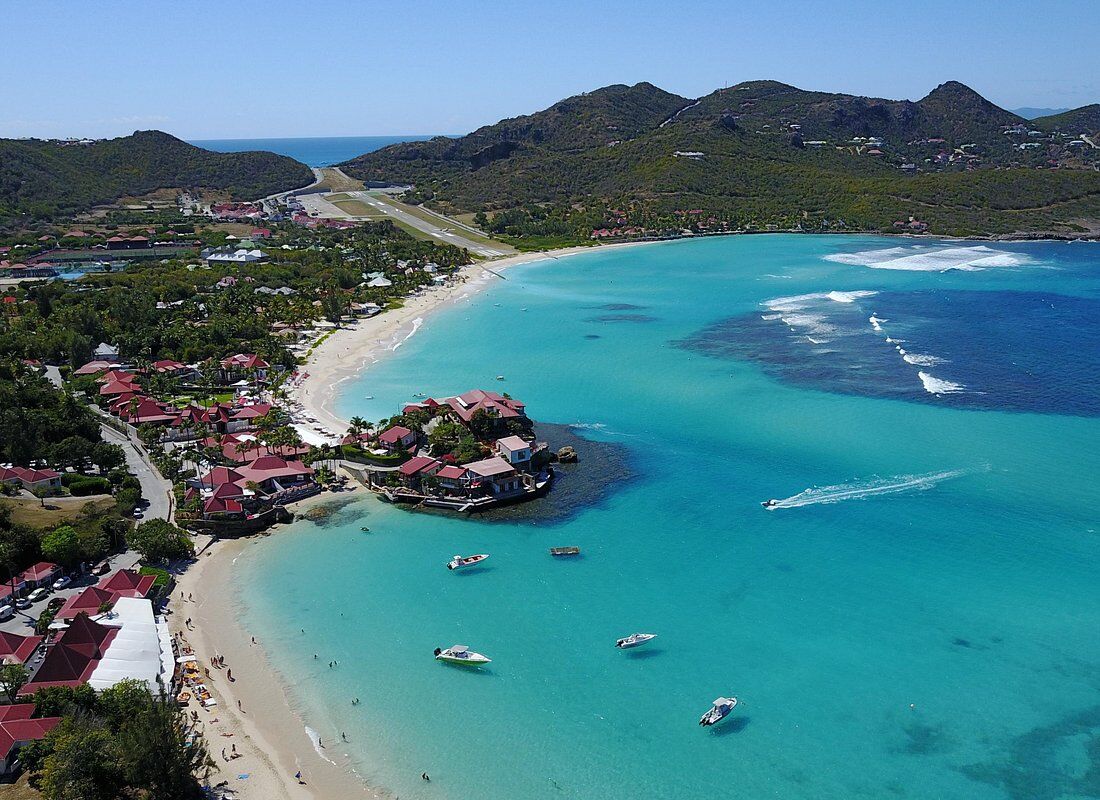
You round the coastline, the red-roofed buildings appear above the harbor, mega-yachts sit tight in a marina, and suddenly the whole atmosphere shifts into something more polished and distinctly mini-Caribbean.
St Barths requires a bit more planning — especially during high season when moorings and anchorages space becomes limited — but it is still easily reachable as part of a St Martin charter itinerary.
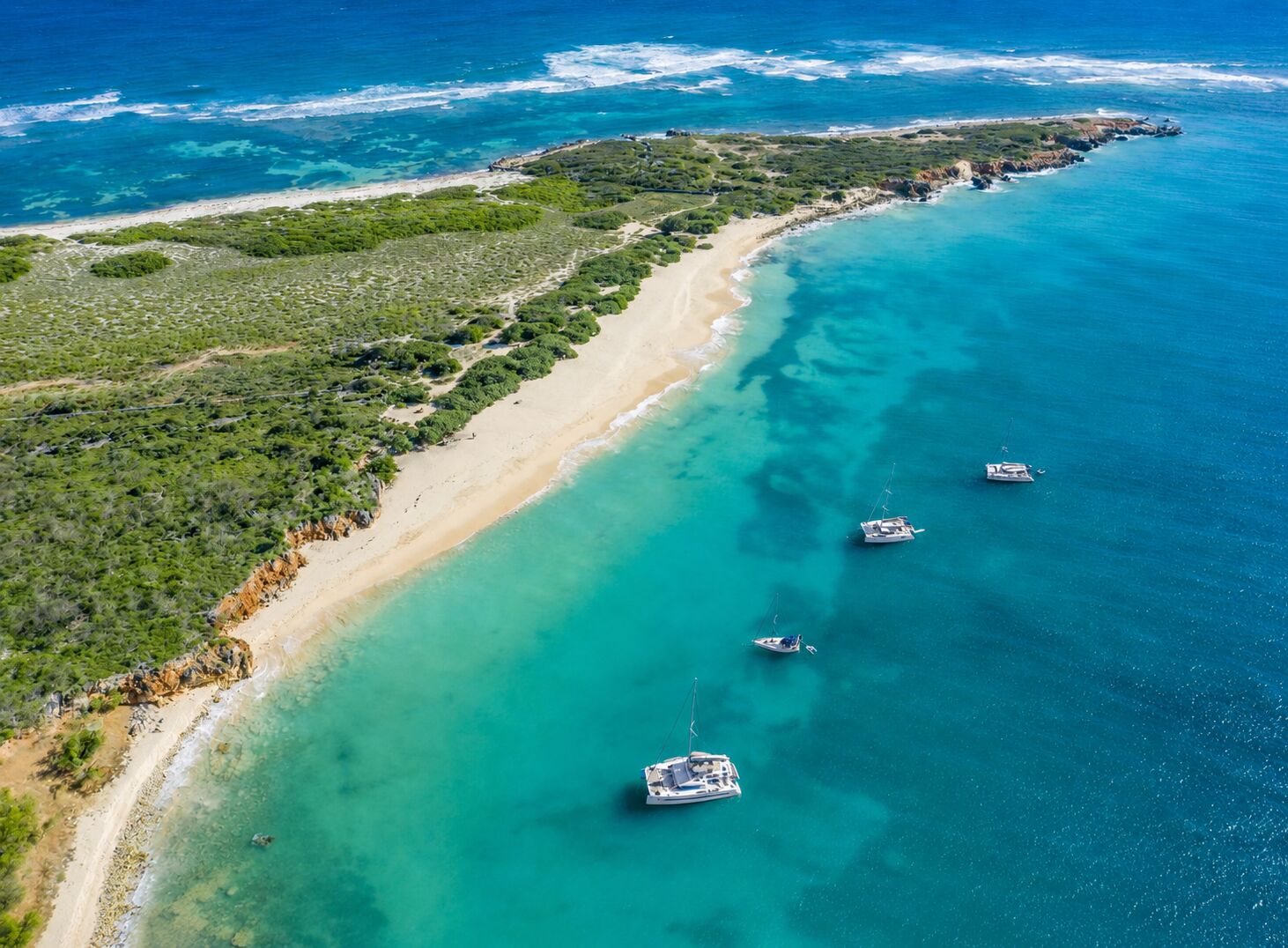
Tintamarre Island
Tintamarre sits just off the French side, protected inside the nature reserve, and somehow still feels surprisingly remote considering how close it is to St Martin.
Most boats come here for the water. Sea turtles glide through the anchorage, the snorkeling is excellent in calm conditions, and the island itself remains completely undeveloped.
It is the kind of stop where nobody really wants to leave early once lunch turns into swimming, then swimming turns into another hour sitting quietly at the boat.
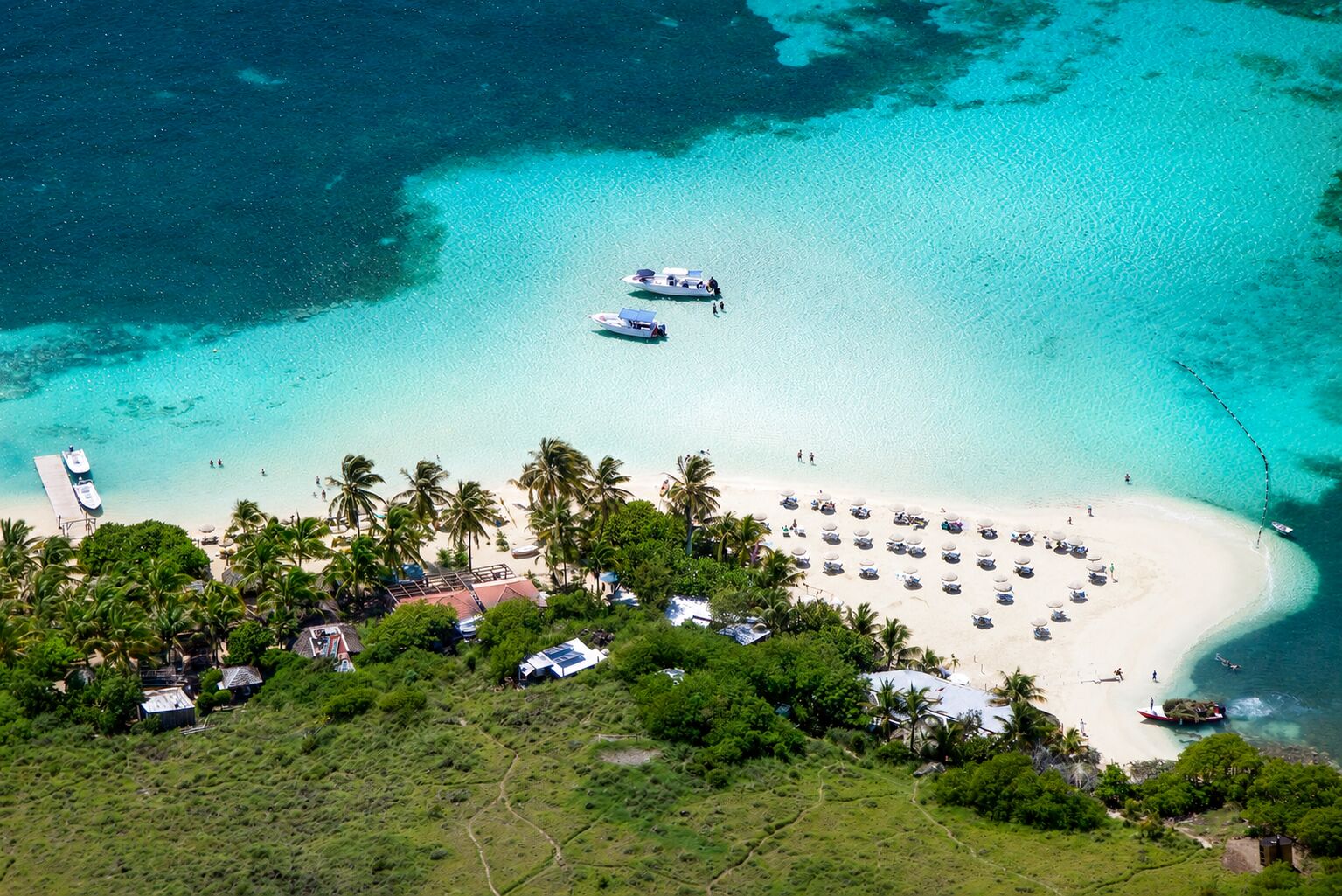
Pinel Island
Pinel is less about sailing and more about slowing the day down.
The anchorage sits inside the protected waters of Cul-de-Sac on the French side, making it a favorite lunch stop for both locals and charter boats. The water stays shallow and bright turquoise, dinghies move constantly between the beach restaurants and anchored boats, and afternoons here tend to disappear very quickly.
Not really an overnight stop — but absolutely part of the classic northern St Martin sailing rhythm.
One of the underrated parts of chartering here is that even the main island itself gives you several genuinely enjoyable stops under sail. Grand Case, Marigot, Anse Marcel, Friar’s Bay — each bay feels slightly different depending on the swell, the wind, and the time of day. Some nights feel calm and almost sleepy, others end with dinner ashore, music drifting across the anchorage, and dinghy rides back to the boat well after dark.
Grand Case especially works beautifully during a charter week. Few things feel more Caribbean than finishing a day under sail, showering off the saltwater, then walking straight into one of the best restaurant villages in the region.
Charter planning
The two sides of the island — and why it matters for your charter
Although St Martin is shared between French Saint-Martin and Dutch Sint Maarten, sailors move freely between both sides during a charter. What changes is less the border itself than the type of marina infrastructure, access to anchorages, and overall departure logistics.
The French side (Saint-Martin)
The French side is where many sailors prefer to position themselves before heading toward Tintamarre, Pinel, Anguilla, or the quieter northern anchorages.
Marina Fort Louis in Marigot remains one of the island’s main practical bases for customs clearance, provisioning, fuel, and marine services. The marina sits directly beside the town center, which makes last-minute provisioning surprisingly easy before departure.
Further east, Anse Marcel Marina offers one of the most naturally protected marina settings on the island. The bay sits deep inside the coastline, sheltered from much of the Atlantic swell, with relatively quick access toward Tintamarre and the northeastern sailing grounds.
Grand Case is less of a marina base and more of a classic anchorage stop during a charter itinerary. Conditions depend heavily on swell direction — northerly swell can make the bay uncomfortable — but in settled weather it becomes one of the most enjoyable overnight stops around the island, especially if you plan dinner ashore.
The Dutch side (Sint Maarten)
The Dutch side is the island’s main yachting and charter hub.
Most larger charter operations are based around Simpson Bay Lagoon, where marine infrastructure, marine services, technical support, provisioning stores, fuel docks, and repair facilities are concentrated within a relatively small area.
Bay Simpson Bay Marina and Yacht Club Isle de Sol are among the best-known marina facilities on the Dutch side, particularly for larger yachts and international charter traffic.
For crews flying directly into Princess Juliana Airport (SXM), the Dutch side is often the simplest embarkation point logistically. One thing to keep in mind, however, is that departures from Simpson Bay Lagoon depend on bridge opening schedules for vessels unable to pass beneath the bridge.
In practice, most charter itineraries around St Martin end up using both sides of the island naturally over the course of the trip — which is also part of what makes sailing here feel so varied within relatively short distances.
Compare bareboat, captained, and crewed charters in St Martin
Browse live charter options from both the French side and Dutch side, then choose the setup that fits your itinerary, sailing experience, and comfort level.
Free cancellation on most listings. Secure booking via Sailo.
Choosing your charter
Bareboat vs captained charter — which one is right for you
If you already sail regularly, the difference probably needs little explanation. But St Martin attracts a mix of experienced skippers, occasional sailors, and travelers who simply want to experience the Caribbean from the water — so it’s worth understanding how charter options usually work here.
Bareboat charter
A bareboat charter means the boat is entirely yours for the duration of the trip.
You handle navigation, anchoring, passages, customs formalities between islands, weather decisions, and everything that comes with managing the boat underway. Most charter companies will ask for a sailing résumé, previous charter experience, and sometimes certifications such as ASA or RYA credentials before approving a bareboat rental.
This option gives the most freedom. You choose your pace, your route, your anchorages, and how the days unfold once you leave the marina. For experienced sailors, that independence is exactly the point.
Crewed or captained charter
A crewed charter includes a professional skipper — and sometimes additional crew depending on the boat.
In practice, this completely changes the rhythm of the trip.
Instead of focusing on navigation, moorings, weather windows, or customs procedures, you spend more time actually enjoying the islands themselves. Long lunches ashore, swimming stops, sunset sails, beach restaurants, relaxed mornings at anchor… the experience becomes less technical and much more centered around the destination.
For travelers without strong sailing experience, or groups mixing sailors and non-sailors together, this is often the more comfortable option.
The flexible middle ground
One thing that works particularly well in St Martin is that many charter boats offer both possibilities.
A lot of listings allow you to book the boat bareboat-style or add a captain during checkout depending on your experience level and the kind of trip you want to have. That flexibility makes St Martin a surprisingly accessible charter destination even for people who don’t necessarily want the responsibility of managing a boat themselves every day.
Most pickup points are near Princess Juliana Airport (SXM). A rental car makes provisioning and marina transfers significantly easier.
Booking your charter
How to book your yacht charter through Sailo
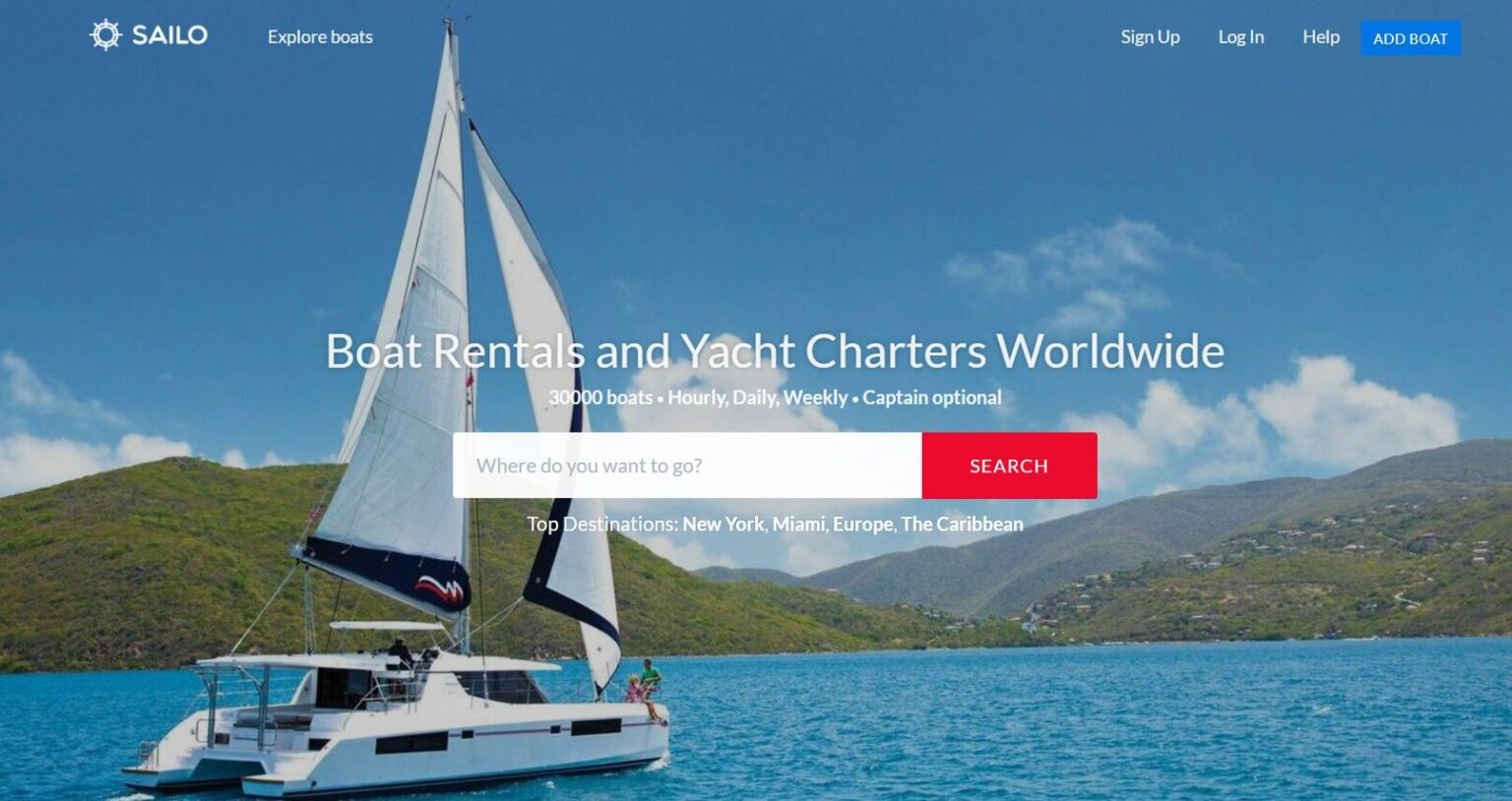
Sailo works as a marketplace connecting travelers directly with local boat owners, captains, and charter companies around St Martin and the northern Caribbean.
The booking process itself is fairly simple. You enter your travel dates, choose a departure area, browse the available boats, and decide whether you want a bareboat rental or a charter with captain included. Some boats can be booked instantly, while others require confirmation from the owner or operator before the reservation is finalized.
French-side departures often place you closer to northern anchorages and nature reserve areas, while Dutch-side charters tend to offer easier airport access and more marina infrastructure.
Boat size, season, captain fees, security deposits, fuel policies, cancellation terms, and onboard equipment can vary significantly between operators.
From December through April — especially around Christmas, New Year’s, and spring break weeks — the better-rated boats usually book much earlier than people expect.
You’ll also notice that departure points change the rhythm of the trip quite a bit. French-side departures often place you closer to the northern anchorages and nature reserve areas, while Dutch-side charters tend to offer easier airport access and more marina infrastructure around Simpson Bay Lagoon.
Before confirming a reservation, it’s worth reading the listing details carefully. Fuel policies, security deposits, captain fees, cancellation terms, and onboard equipment can vary significantly between operators.
Browse bareboat, captained, and crewed charters in St Martin
Compare available boats on both sides of the island before choosing your departure point.
Free cancellation on most listings. Secure booking via Sailo.
FAQ
FAQ — Bareboat rental in St Martin
Do I need a sailing license to rent a bareboat in St Martin?
Yes. Most charter companies require a recognized offshore sailing certificate — ASA 104, RYA Day Skipper, or equivalent — plus a logbook showing relevant offshore experience. Some operators conduct a checkout sail before releasing the vessel. Captained charters have no license requirement.
What is the best time of year for a sailing charter in St Martin?
December through April is peak season: trade winds are steady, seas are usually more manageable, and the weather is generally drier. February and March often offer the most consistent sailing conditions. Summer months bring lighter winds and increased hurricane risk from July through October, and some operators reduce or suspend bareboat charters during this period.
Can I sail to Anguilla and St Barths from St Martin?
Yes. Anguilla sits north of St Martin and is a classic short-hop charter stop, with customs clearance usually handled at Sandy Ground. St Barths is farther southeast and requires more planning, especially in high season, but it is still a standard part of many St Martin sailing itineraries.
What is the difference between a bareboat and a captained charter?
A bareboat charter means you rent the vessel without crew and act as the skipper yourself. A captained charter includes a professional skipper who handles navigation and boat management. Many listings around St Martin allow you to choose between bareboat rental and adding a captain depending on your experience level.
Where do most charter boats depart from in St Martin?
Most charter activity is concentrated around Simpson Bay Lagoon on the Dutch side, plus Marigot and Anse Marcel on the French side. The Dutch side is often convenient for airport access and marine services, while the French side gives quicker access toward Tintamarre, Pinel, Anguilla, and the quieter northern anchorages.
How far in advance should I book a charter in St Martin?
For high season, especially mid-December through April, booking several months in advance is strongly recommended. Popular bareboat slots, crewed catamarans, and holiday-week departures can fill early. Shoulder season usually gives you more flexibility, but the best-rated boats still tend to go first.
Is St Martin a good base for first-time charter sailors?
For first-time bareboat sailors, St Martin can be more demanding than it looks because some passages involve open water, customs clearance, and careful weather planning. A captained or crewed charter is often a better introduction, especially if your group wants to enjoy the islands without carrying full responsibility for the boat.
What does a typical week-long charter cost in St Martin?
Prices vary widely depending on the boat, season, size, age, equipment, and whether a captain or crew is included. A high-season catamaran charter can easily reach several thousand euros or dollars per week, with fuel, provisioning, marina fees, customs fees, and optional crew costs added separately. Always check what is included before confirming.