
Every year, when June arrives, I start getting the same question.
Sometimes it comes from friends in France. Sometimes from travelers planning their first Caribbean vacation. Sometimes from people who have already fallen in love with a villa, opened Google, typed “St Martin hurricane season,” and suddenly wondered if they should postpone everything until winter.
So let me answer honestly, the way I would answer a friend.
In this guide
- → When is hurricane season?
- → What are the real odds of a direct hit?
- → My honest take after 25 years
- → Month by month guide
- → Why some travelers prefer September
- → How to visit smart
- → Where to get reliable information
- → What if a storm threatens your stay?
- → Should you book during hurricane season?
- → FAQ
Yes, hurricane season in St Martin is real. No, it does not mean the island is closed, unsafe, or impossible to visit. And no, locals do not spend six months hiding indoors waiting for the sky to fall.
I have lived in Saint Martin for 25 years. I was here for Irma in 2017, the storm everyone remembers, the one that changed the island overnight and left a mark none of us will ever forget. But I have also lived through many, many hurricane seasons that were calm, beautiful, sunny, slow, and almost embarrassingly peaceful.
That is the part people outside the Caribbean often misunderstand. Hurricane season is not one endless storm. It is a season of awareness — where you check the weather more seriously, choose your accommodation a little more carefully, and make sure your travel plans have some flexibility. Locals do not panic. We prepare, we follow the right forecasts, and then we keep living.
This guide is not here to scare you away from St Martin. Quite the opposite. It is here to help you understand what hurricane season really means on the island — and why, if you plan smart, St Martin in low season can be one of the most beautiful and rewarding versions of the island.
When is hurricane season in St Martin?
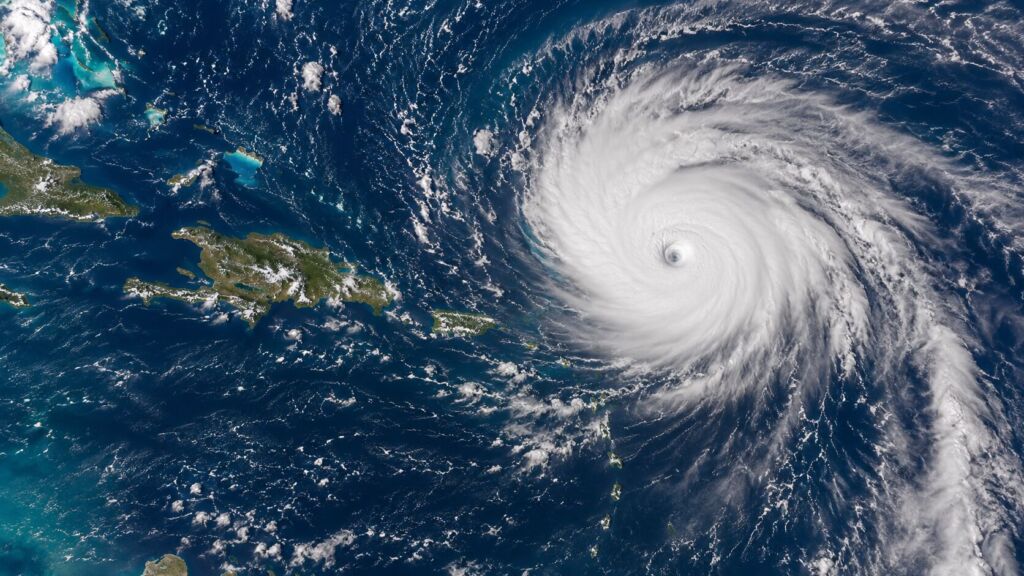
Officially, the Atlantic hurricane season runs from June 1st to November 30th. That is the standard window used across the Caribbean and the Atlantic region — the period when warm ocean temperatures and tropical conditions can produce storms, depressions, and hurricanes.
But the official dates do not tell the whole story. In real life, June is not September. July is not October. And most days during hurricane season do not feel dramatic at all. They feel like tropical summer: warm mornings, bright water, short showers, heavy skies that clear quickly, and a slower rhythm across the island.
The months that deserve the most attention are usually late August, September, and early October. That is when the Atlantic basin is historically most active. It does not mean a storm will come. It simply means locals watch the forecasts more closely.
June and July are usually much calmer. November often feels like the island is already turning toward high season again — restaurants reopening, villas preparing for winter guests, the whole island slowly waking back up.
In practical terms, the season is not evenly spread. June and July usually feel very different from September, and by November the island is often already turning toward its winter rhythm. That is the nuance most first-time visitors miss.
What are the real odds of a direct hit?
This is where travel articles often go wrong. Some make hurricane season sound terrifying, as if every Caribbean trip between June and November is a gamble with disaster. Others minimize it so much they sound irresponsible. The truth sits somewhere in the middle.
St Martin has been hit by serious hurricanes. Irma, in September 2017, was a historic category 5 storm — one of the strongest hurricanes ever recorded in the Atlantic. Anyone who lived here then remembers it. I remember it. The island remembers it.
But Irma was not a normal season. It was an exceptional event. Most hurricane seasons in St Martin are not Irma. Most storms do not hit the island directly. Many systems form far away, move north, weaken, turn into the Atlantic, or pass at a distance. Sometimes we watch a storm carefully for days, only for it to miss us completely.
That does not mean the risk is zero. It never is in the Caribbean during hurricane season. But it does mean the risk is usually manageable if you travel with common sense.
The real question is not: can a hurricane happen? Of course it can. The better question is: am I booking in a way that gives me flexibility if the weather changes? That is where smart planning makes all the difference.
My honest take after 25 years on the island
After 25 years here, I do not think of hurricane season as something to fear. I think of it as something to respect. That is how most locals see it. We do not ignore it, but we do not let it stop life either. We keep an eye on the forecasts, we know which sources to trust, and we know when a system is just something to watch and when it is time to take things seriously.
Most of the time, hurricane season is simply the quieter side of St Martin. The roads are easier. The beaches are open and almost empty. The sea is incredibly warm. The light is softer, heavier, more golden. Restaurants that stay open have a more local feeling. You are not fighting for a table, a parking space, or a square of sand.
It is not the glossy high-season version of the island. It is more intimate than that. Not perfect, not risk-free — but genuinely beautiful.
Month by month: what low season really looks like
| Month | Storm risk | Vibe | Prices |
|---|---|---|---|
| June | Low | Relaxed, sunny, tropical showers | Low |
| July | Low | Warm, bright, calm seas | Low |
| August | Moderate | Beautiful but watch forecasts | Low |
| September | Higher | Very quiet, local, empty beaches | Lowest |
| October | Moderate | Transitional, island waking up | Low–mid |
| November | Low | Pre-season energy, reopenings | Mid |
June — The island exhales. The winter crowds are gone, beaches feel wider, and the whole place slows down. The weather is warm, sunny, and tropical, with occasional showers that pass quickly. For travelers, June can be one of the easiest low-season months to enjoy — lower prices, better availability, and a relaxed atmosphere without feeling completely asleep.
July — Warm, bright, and often very pleasant if you do not mind humidity. The sea is beautiful, the beaches are quieter, and many villas are more affordable than during the winter rush. A good month for travelers who want St Martin without the peak-season intensity.
August — Still beautiful, but it starts to feel more tropical. The air can be heavier, afternoon skies can build dramatically, and short storms can move through and leave everything shining again. You start paying a little more attention to weather updates, especially later in the month. Some restaurants may begin closing for annual rest.
September — The month people worry about most. And I understand why. But September is also one of the most fascinating months on the island — empty beaches, warm water, the island belonging more clearly to the people who live here. The key is to book it intelligently, not casually.
October — A transition month. Early October can still carry hurricane-season awareness, but as the month moves on the island slowly shifts toward high season. Often a very good balance: warm water, fewer crowds, and the feeling that the island is gently waking up again.
November — One of the most underrated months to visit. The island is usually moving into high-season mode, restaurants reopen, weather feels more settled, and prices may still be more reasonable than December.
Why some travelers actually prefer coming in September
Let me be honest: September is not the month I would recommend to everyone. But for the right traveler, it can be magic.
The island is quiet in a way you almost never see during winter. Beaches that are full in February can feel completely open. Orient Bay, which in peak season looks like a Riviera postcard, in September can feel like a private stretch of sand. The water is at its warmest. The pace is slow. The island feels more local, more private, more itself.
And then there are the prices. Low-season villa rates can be dramatically lower than high-season rates. A property that feels out of reach in February may suddenly become realistic in September or October. That is why some travelers quietly love this period — not because there is no risk, but because the value can be exceptional if you understand the season and book smart.
Browse villas for September and October
Villa rates in low season can be 40–60% lower than winter prices. Same properties, same views — just fewer people and more island to yourself.
See available villas →How to visit smart: the right precautions
Visiting St Martin during hurricane season does not require courage. It requires a checklist.
Before you book: get proper travel insurance
Not all policies cover hurricane-related cancellations the same way. Read the terms carefully — specifically trip cancellation, interruption, and named-storm clauses.
Get a Free QuoteChoose flexible bookings. Look for clear cancellation terms before confirming your stay — that small line in the booking conditions can make a very big difference if the weather suddenly becomes part of your travel plans.
Follow the right sources. Not Facebook panic or WhatsApp rumors. The National Hurricane Center (nhc.noaa.gov) is updated multiple times daily during active situations. Météo-France Antilles is equally reliable for the French side. Bookmark both before you arrive.
Keep your plans simple. During hurricane season, avoid loading every day with non-refundable activities. Leave breathing room. Know who manages your villa and how they communicate. Understand your airline’s weather policy before you need it.
None of this is complicated. It is just the difference between traveling blindly and traveling like someone who understands where they are going.
Where to get reliable information — and what to ignore
Every hurricane season, the same thing happens. A tropical wave forms somewhere near the Cape Verde islands, someone posts a dramatic screenshot on a Facebook group, and within hours the comments are full of people announcing the end of the world.
I have watched this play out every year for years. Social media — including pages that are genuinely dedicated to weather coverage — has a structural incentive to make things sound more alarming than they are. Dramatic posts get shares. Calm, factual updates do not. That does not make those pages malicious, but it does make them unreliable as your primary source during an active situation.
Here is what locals and well-informed travelers actually follow :
🌐 National Hurricane Center — nhc.noaa.gov
The reference. Updated multiple times daily during active situations. If NHC is not issuing watches or warnings for Saint Martin, there is no emergency. Everything else is noise.
🌐 Météo-France Antilles — meteofrance.gp
The official French meteorological service for the French Antilles. Essential if you are staying on the French side. Publishes official warnings and bulletins in French.
📘 Eye4Weather — facebook.com/Eye4Weather
A local English-language page that covers Caribbean weather without the panic. Calm, factual, consistent — exactly what you need when a system is developing. One of the few social media sources I actually recommend.
▶️ Mr Weatherman — YouTube
Good English-language hurricane coverage on YouTube. Clear explanations, solid track analysis, useful for understanding what a storm is actually doing without the drama.
▶️ Olivier Tisserant — YouTube (FR)
La référence francophone pour le suivi des ouragans dans la Caraïbe. Sérieux, documenté, sans sensationnalisme. Spécialisé dans les phénomènes tropicaux. Ses vidéos pendant la saison cyclonique sont claires, pédagogiques, et accessibles.
What to ignore
Facebook groups with dramatic names that post every tropical wave as an imminent catastrophe. They are not wrong to monitor storms — but their content is calibrated for engagement, not accuracy. A disturbance 3,000 miles away does not need a crisis post. Learn to tell the difference between a watch, a warning, and a wave.
What happens if a storm actually threatens during your stay?
The first thing to know is that hurricanes do not appear out of nowhere. Modern forecasting gives several days of warning when a serious system may affect the region. The forecast changes, the cone narrows, official updates become more frequent, and people have time to make decisions.
If a storm is forecast to pass near St Martin before your trip, your first step is not to panic. Contact your airline, check your accommodation policy, review your insurance, and follow official updates. Airlines often issue weather waivers when a storm threatens a destination, allowing travelers to change flights more easily.
If you already have travel insurance, contact the provider early. Coverage depends entirely on the wording of your plan — which is why reading it before you buy matters so much.
If you are already on the island and a serious storm is forecast, listen to official instructions. Keep your phone charged. Have water, food, medication, and documents ready. Do not go to the beach to watch the waves. Saint Martin knows how to prepare. The island has protocols, shelters, and a community that takes these situations seriously.
My honest advice: if a major hurricane is clearly forecast to pass directly over the island and you have the option to leave before it arrives, leave. Not because the island cannot handle storms — it can. Because your vacation is not the place to test your hurricane courage. Come back a few weeks later. We will still be here.
Should you still book St Martin during hurricane season?
Yes, if you understand what you are booking. That is the honest answer.
Hurricane season should not automatically stop you from coming to St Martin. It should simply change the way you plan. You choose flexible stays, read cancellation terms, consider insurance, follow proper forecasts, and avoid pretending the season does not exist.
That is what locals do. We do not live in fear of hurricane season. We respect it, we prepare for it, and most of the time, life goes on under blue skies, with warm water, quiet beaches, and the kind of slow island days that make people fall in love with St Martin in the first place.
If you are nervous, choose June, July, November, or the winter season. If you are flexible and looking for better value, September and October can be interesting — but only with the right precautions. And if your project is to come in winter, from December to April, you really do not need to overthink any of this. That is peak season for a reason. The island is open, lively, and ready to welcome visitors.
Ready to plan your St Martin trip?
Ready to plan your St Martin trip? Whether you are looking at low season or already planning winter, start with your dates below and compare villas, condos, and beach stays across the island.
Live availability
St Martin / Sint Maarten — All accommodations
Browse our full selection of villas and condos across the island with live availability, photos and prices powered by Booking.com and Vrbo.
627 selected stays in this collection.
Some properties may require a minimum stay. Try 4 nights or more if availability looks limited.
Choose your dates above to see live prices and availability.
Frequently asked questions
Officially June 1st to November 30th. The most active period is mid-August through mid-October, with September being the month that requires the most attention.
Not for everyone. It is statistically the most active hurricane month, but it is also the quietest, most affordable, and most local version of the island. If you come in September, choose flexible bookings, get proper travel insurance, and follow official forecasts.
No. Some restaurants and beach clubs may close temporarily in September, but the island does not close. It is quieter, not shut down.
Yes, strongly recommended. Read the policy carefully — look specifically for trip cancellation, interruption, and named-storm coverage. Not all policies cover these the same way.
Yes. June is officially hurricane season but is generally very calm. Prices are lower, beaches are quieter, and the island has a relaxed summer atmosphere.
September is historically the most active month in the Atlantic basin. That does not guarantee a storm will hit — it simply means you should plan with more flexibility that month.
December to April is outside hurricane season and is the most popular period to visit. It is also the busiest and most expensive, so booking early matters.