
US dollars are accepted almost everywhere on the island — including on the French side. Euros exist, credit cards work, and the Netherlands Antillean Guilder is technically the official currency of the Dutch side (though you’ll rarely see one).
In practice, you’ll manage just fine with dollars and a card. Here’s everything you need to know before you go.
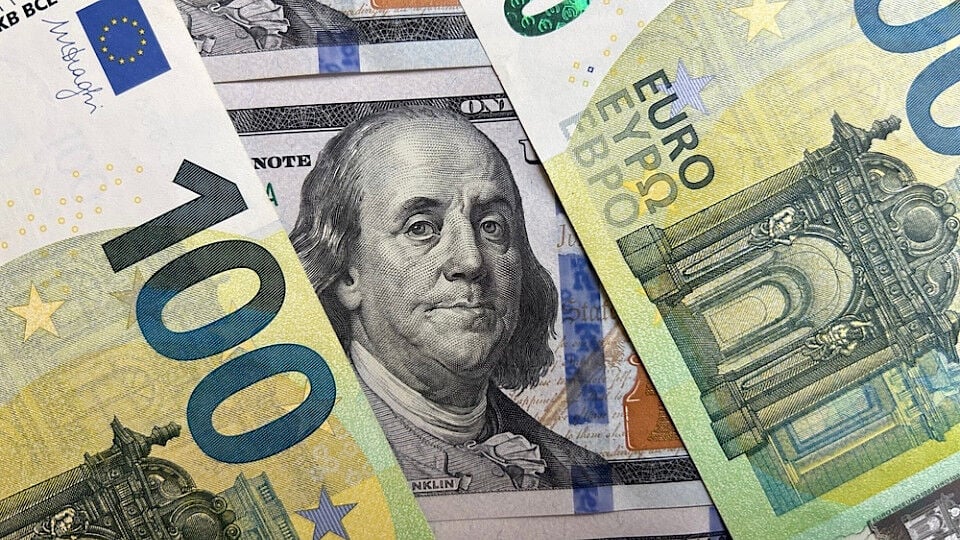
St Martin and St Maarten share the same piece of land — but two different governments and two different currencies.
On the Dutch side, US dollars and Netherlands Antillean guilders (florins) are the currencies in use. On the French side, both euros and US dollars are accepted — most businesses take either without any issue.
If you’re carrying dollars, you’re covered on both sides of the border.
On the Dutch side, the US dollar is the currency of everyday life. Restaurants, shops, hotels, beach bars — everything is priced in dollars. The official currency is technically the Netherlands Antillean Guilder (ANG), but don’t worry about it, you won’t have to pay in guilders.
On the French side, prices are officially in euros. In Marigot, Grand Case, and most local shops, you’ll see euro pricing. That said, tourism has made dollars almost universally accepted here too — often with the vendor applying their own exchange rate, which is usually reasonable.
If you pay in dollars on the French side, your change may come back in euros. It’s not a problem. It’s just the island doing its thing.

If you’re coming from Europe and have euros, don’t stress — you’ll use them on the French side without any issue. But if you’re arriving from North America, there’s no need to exchange currency before you leave. Just bring dollars.
One practical tip: keep some small bills on hand. A $20 for a beach bar tab or a roadside BBQ plate goes a long way, and not every vendor runs a card machine.
Credit cards are widely accepted on both sides of the island — in hotels, restaurants, car rental agencies, dive shops and larger stores. Visa and Mastercard are the most reliable. American Express is accepted in many places but not all.
The exception is smaller, local spots: beach shacks, market vendors, roadside food stalls, and some French-side bakeries still prefer cash. I always keep €20 or $20 in my pocket just in case.
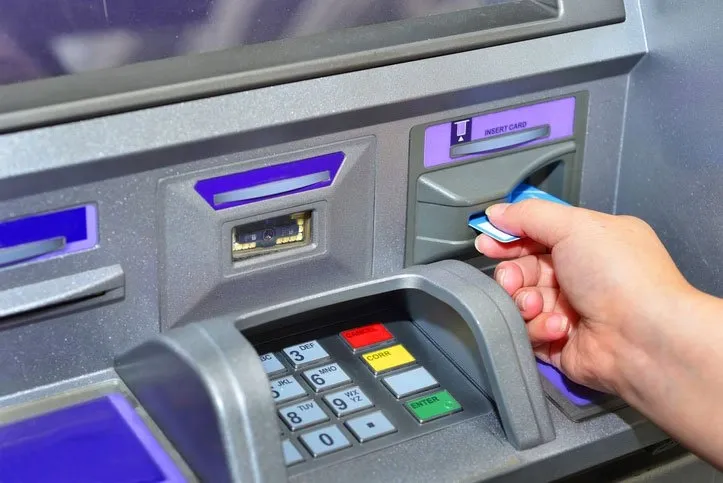
ATMs are available throughout the island — in Philipsburg, Marigot, Simpson Bay, and near most major supermarkets. They dispense US dollars on the Dutch side and euros on the French side.
Withdrawing cash from an ATM is generally the best exchange rate you’ll get. Just check your bank’s foreign transaction fees before you travel — some cards charge a percentage on international withdrawals.
One thing many travelers overlook when planning their budget: unexpected costs.
In St Maarten, medical care is private, and even a simple visit can cost hundreds of dollars upfront.
Travel insurance helps protect you from these expenses — so a small issue doesn’t turn into a costly surprise.
Yes — it’s the easiest and most widely accepted currency on the island. US dollars are used almost everywhere, including many businesses on the French side.
Yes. Euros are mainly used on the French side (Saint Martin), but many places also accept US dollars, sometimes with their own exchange rate.
The official currency is the Netherlands Antillean Guilder (ANG), but in practice, the US dollar (USD) is used almost everywhere.
It can be, especially for activities, restaurants and transportation. Prices vary depending on the season, and booking in advance often helps secure better availability and rates.
Both. Credit cards are widely accepted, but smaller places like beach bars, roadside food spots or local markets may still prefer cash.
Yes, ATMs are available throughout the island — in Philipsburg, Marigot, Simpson Bay and near most major supermarkets. They dispense dollars on the Dutch side and euros on the French side. Withdrawing cash locally usually gives you a better rate than exchanging money before you travel.
Almost everywhere. Hotels, restaurants, car rental agencies and most shops accept Visa and Mastercard without any issue. Smaller beach bars, local markets and some French-side spots still prefer cash — so keep a little on hand.
🌊 Looking for some adventures while on the island?
→ See all things to do in St Maarten
→ Day trips to Anguilla from St Maarten

I've lived in St Martin for 25 years — and I'm an epicurean at heart, in love with my island. I've been giving out insider tips for almost 15 years.
Let me help you plan your perfect vacation in St Martin / St Maarten!