St Martin or St Maarten — which side is better?
Not all answers to this question are honest.
Most travel guides will tell you both sides are “great” and leave it at that. That doesn’t help when you’re trying to decide where to stay — especially on an island where the atmosphere can change completely depending on which side you choose.
I’ve lived here for 25 years, and I’ve seen how different those experiences actually are. Not better or worse — but very different in ways that matter once you’re here.
One side is quieter, more local, built around beaches, food, and a slower rhythm. The other is more developed, more convenient, with casinos, large hotels, and everything within easy reach.
The mistake most travelers make isn’t choosing the “wrong” side.
It’s choosing without really understanding what their days will look like.
This guide breaks it down clearly — so you can choose the side that actually fits your trip.
First: they're the same island
Before choosing between St Martin and St Maarten, it helps to understand one simple thing: you’re not choosing between two islands.
You’re choosing between two sides of the same small island.
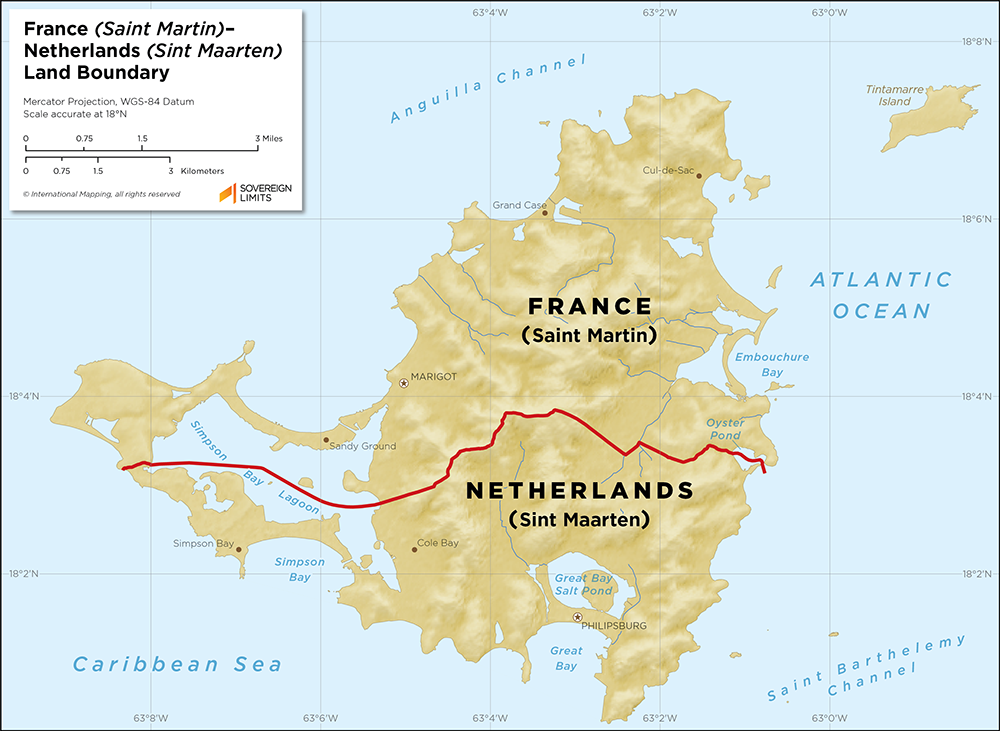
Saint Martin and Sint Maarten share 87 km² in the northeastern Caribbean, about 240 km southeast of Puerto Rico. The French-Dutch border runs through the island, but in real life, you barely notice it. There are no checkpoints, no passport control, and no dramatic “border crossing” moment.
You can drive from Marigot to Philipsburg in under 20 minutes, and most visitors move between both sides several times during their stay without thinking much about it.
The split dates back to 1648, when French and Dutch settlers divided the island through the Treaty of Concordia. Today, the French side is an overseas collectivity of France and covers about 60% of the island. The Dutch side is a constituent country within the Kingdom of the Netherlands.
Same island. Same sunshine. Same people moving between both sides every day.
But the atmosphere changes — sometimes faster than you expect.
On a map, the border matters.
On vacation, what matters more is choosing the side that fits the kind of trip you actually want.
The border is real on a map. In practice, you'll cross it without noticing — and that freedom is one of the things that makes the island unique.
The French side — Saint-Martin
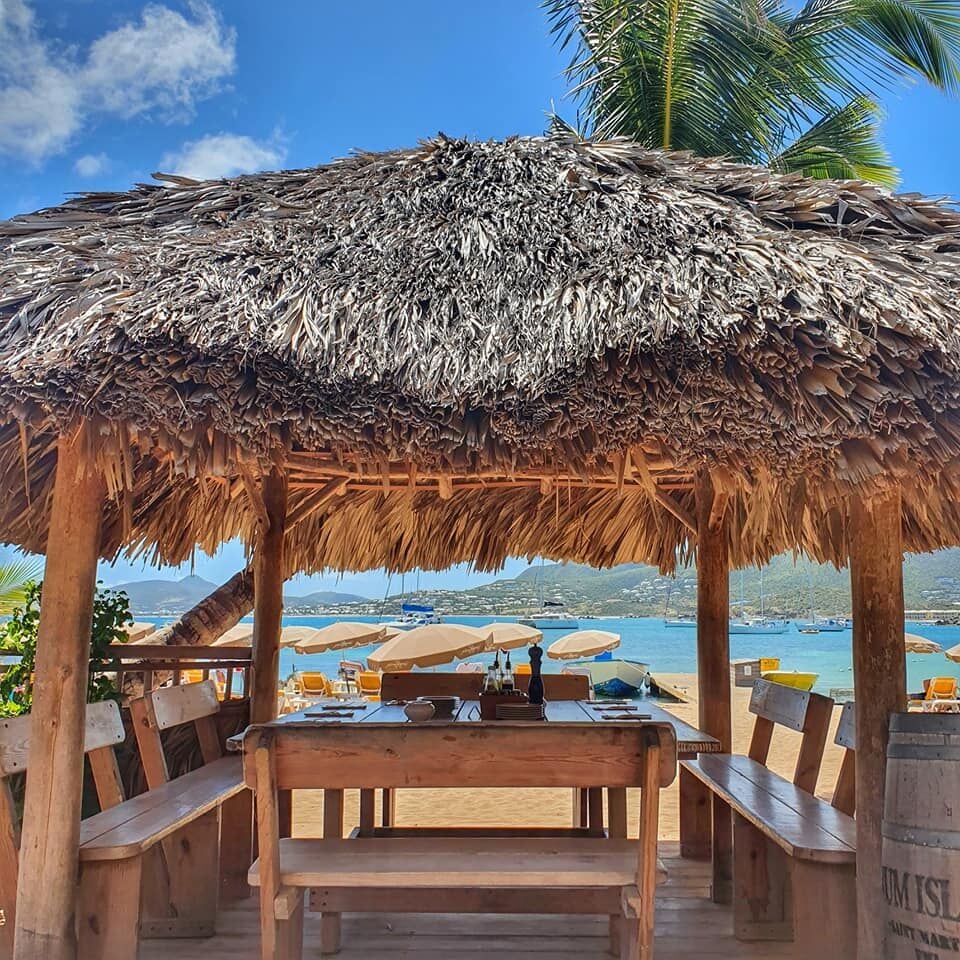
If your idea of a good day is a quiet beach, a long lunch, and deciding what to do as you go — this is your side of the island.
There are no casinos here. No large all-inclusive resorts. Very little of the polished, packaged Caribbean you might expect elsewhere. And that’s exactly why people choose it.
Life on the French side moves differently. Mornings start slow, often at the beach. Afternoons stretch into late lunches. Evenings revolve around food — and few places in the Caribbean take that as seriously as Grand Case, where one street holds some of the best restaurants on the island.
Marigot, the capital, feels like a small waterfront town — markets, cafés, a marina. Orient Bay is the liveliest beach, with restaurants directly on the sand and a more social atmosphere without ever feeling overwhelming.
Accommodation is mostly villas, small hotels, and residences. You won’t find large resort complexes here — but you’ll find space, privacy, and a more personal way to experience the island.
This side tends to attract travelers who like to explore a bit, rent a car, try different beaches, and shape their days as they go.
It’s not about having everything planned for you.
It’s about having the freedom to decide as you go — and discovering places you didn’t expect.
The French side is where you go when you want to feel like you've found somewhere, rather than been sent somewhere.
The Dutch side — Sint Maarten
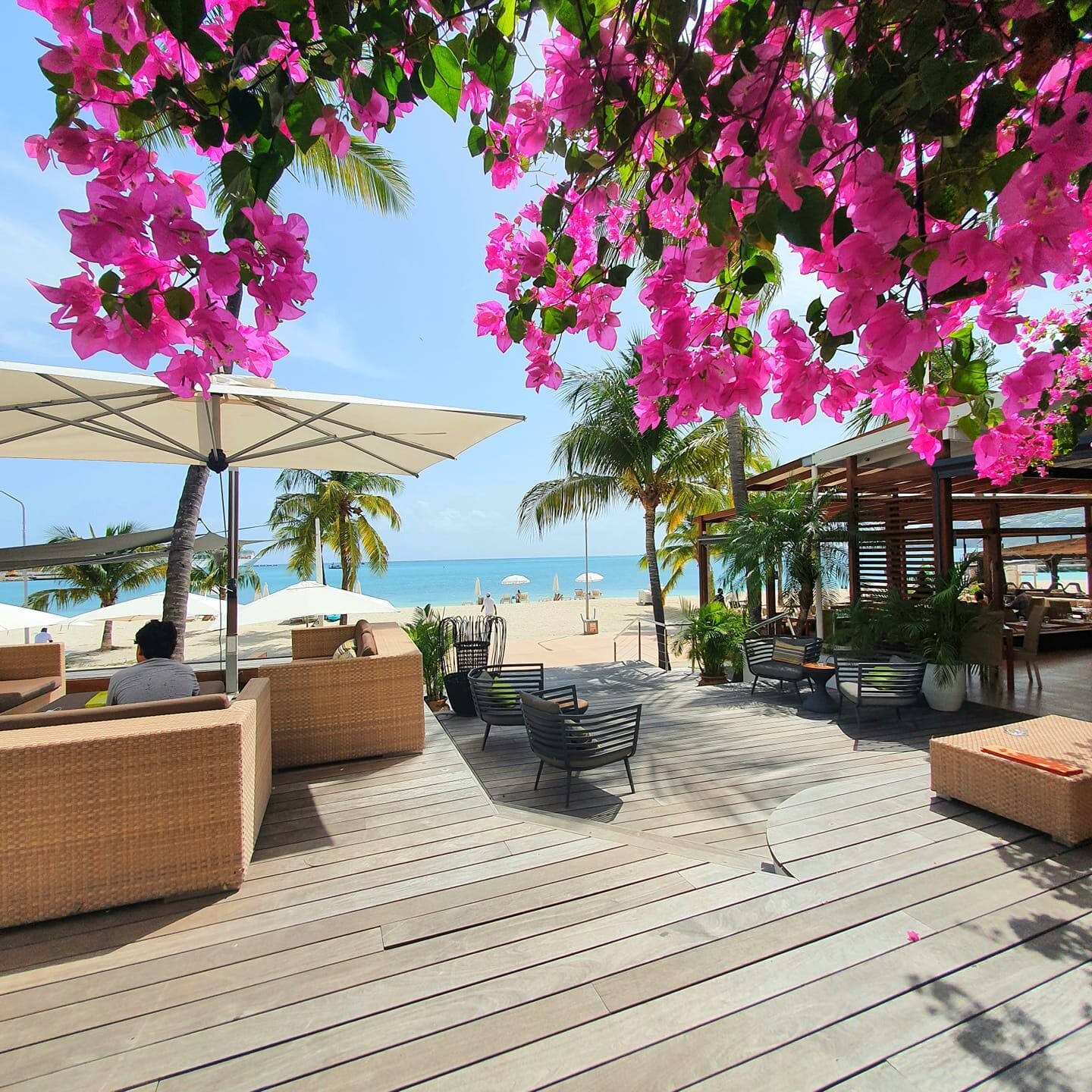
If you prefer having everything within easy reach — restaurants, nightlife, hotels, activities — the Dutch side will feel more familiar.
This is where the island is at its busiest and most developed. Philipsburg, the capital, is built around cruise tourism, with a long boardwalk lined with shops, restaurants, and duty-free stores. During high season, cruise ships arrive almost daily, and the area reflects that energy.
Simpson Bay is where most visitors spend their evenings — beach bars, restaurants, live music, and a nightlife scene that doesn’t really exist on the French side. Casinos are part of the landscape here, open late and easy to access.
It’s also where you’ll find the widest range of accommodation: large resort hotels, all-inclusive options, and international brands. For travelers who want a more structured stay — pools, services, everything on-site — this side offers more choice.
The airport is here too, which makes arrival and departure simple — and puts you close to Maho Beach, famous for its low-flying planes.
The Dutch side is less about discovering, and more about having options ready for you.
It’s easier, more direct — and for many travelers, that’s exactly what they’re looking for.
The Dutch side is where you go when you want more done for you — more organized, more accessible, more international in feel.
Quick answer
| What matters to you | French side — Saint-Martin | Dutch side — Sint Maarten |
|---|---|---|
| Beaches | Quieter, wilder, more varied. Orient Bay, Baie Rouge, Friar's Bay — all French side. | Good but more crowded. Maho is famous for plane spotting, not swimming. |
| Food & restaurants | Exceptional. Grand Case is one of the Caribbean's best food streets. | Good range, more international, less local character. |
| Nightlife & casinos | Quiet evenings. A few bars — nothing resembling clubbing. | Active. Multiple casinos, beach bars, and clubs around Simpson Bay. |
| Shopping | Boutiques, local markets, some luxury. Limited duty-free. | Extensive duty-free in Philipsburg. Better for electronics, jewelry, spirits. |
| Hotels & accommodation | Small hotels, residences, villas. No large resort chains. | Wide range — large resorts, all-inclusives, international brands. |
| Pace & atmosphere | Slow, independent, local. You make your own program. | Busier, more international, more organized. |
| Families | Great — calm beaches, easy driving, no crowds. Less resort infrastructure. | Good — more resort options, more to do without a car. |
| First-time visitors | Best if you're comfortable exploring independently. | Easier starting point if you want everything organized. |
Which is actually better?
Neither side is objectively better. That’s not a diplomatic non-answer — it’s genuinely true, and worth taking seriously when you’re planning.
The French side is better if you want quiet beaches, serious food, a more independent experience, and an atmosphere that feels genuinely Caribbean rather than resort-built. It’s better if you’re happy driving, making your own plans, and not having everything pre-arranged. It’s also better for villa stays — the choice and quality on the French side, especially in Terres Basses, is hard to match anywhere in the region.
The Dutch side is better if you want more variety in hotels, if you’re looking for nightlife and casinos, if duty-free shopping matters to you, or if you want the kind of organized resort holiday where most things are taken care of. It’s also better if you’re arriving with a group that has very different priorities — the infrastructure there absorbs more kinds of travelers more easily.
Most people who spend a week or more on the island end up visiting both sides regularly. That’s probably the most honest recommendation I can make. But if you have to choose a base, choose based on what you actually want your days to look like.
If your trip revolves around beaches and food and you're comfortable being independent: base yourself on the French side. If you want organized comfort and more options in one place: the Dutch side will serve you better.
Should you split your time between both sides?
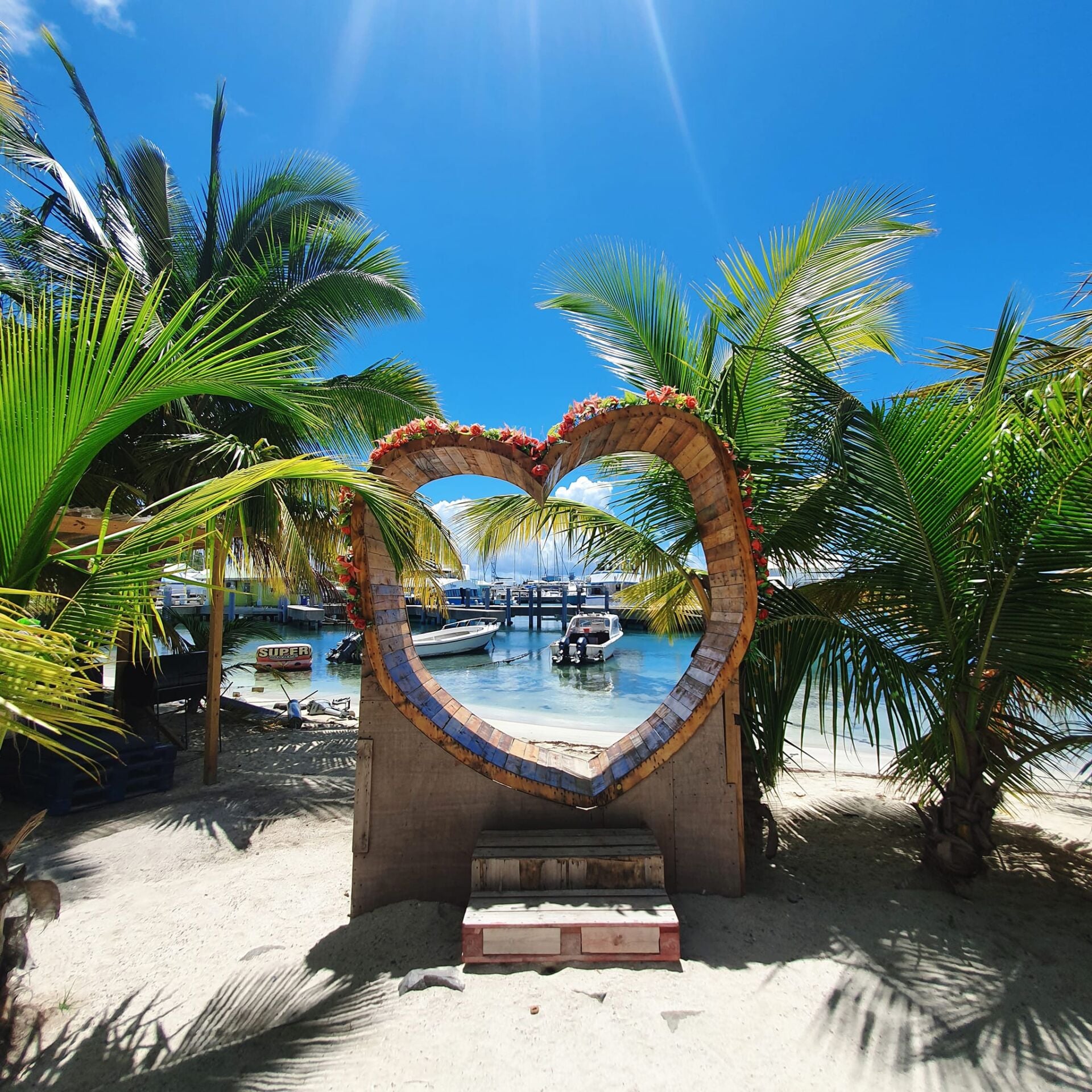
For most stays of a week or more — yes, it makes sense to visit both, even if you’re only staying on one side.
From the French side, you can drive to Philipsburg in under 20 minutes for duty-free shopping, a casino evening, or the famous Maho Beach plane spotting. The Dutch side’s Simpson Bay marina area has beach bars and nightlife that are worth experiencing at least once.
From the Dutch side, Grand Case and Orient Bay are each about 30 minutes away. An evening in Grand Case — choosing where to eat along that one main street — is a different kind of experience from anything on the Dutch side, and one that most people remember.
There’s no rule that says you have to pick one and stick to it. The island is small enough to explore both in a single day, and most visitors do exactly that.
A quick practical note before you decide
Whichever side you stay on, renting a car makes a significant difference. The island is small but spread out — the best beaches, restaurants, and viewpoints don't cluster around any single spot. With a car, you can move freely between sides and explore on your own schedule.
Practical differences
Currency. The French side uses the euro. The Dutch side uses the Netherlands Antillean guilder (ANG), though US dollars are accepted practically everywhere. Most restaurants and shops on both sides accept both currencies.
Language. French is the official language on the Saint-Martin side, English on Sint Maarten — though most locals speak both, plus Creole and often Spanish. You won’t have language issues on either side.
Driving. Traffic moves on the right on both sides. Crossing between the two sides requires no formalities — just follow the road.
Taxes & duty-free. The French side charges VAT on purchases. The Dutch side is a free-trade zone, which is why duty-free shopping is concentrated in Philipsburg. For electronics, spirits, jewelry, or perfume, Philipsburg will generally offer better prices.
Food prices. Restaurants on the French side are often higher-priced, particularly in Grand Case and Orient Bay. The lolos in Grand Case offer a more affordable local option. On the Dutch side, you’ll find a wider price range, with everything from fast food to upscale dining.
Beaches. The French side has more variety — from busy Orient Bay to secluded Baie Rouge, quiet Friar’s Bay, and the lagoon beaches of Nettle Bay. The Dutch side’s best beaches are Maho (famous for plane spotting), Great Bay in Philipsburg, and the calm stretch at Mullet Bay.
Safety. Both sides are generally safe for tourists. Standard precautions apply: don’t leave valuables visible in a parked car, and be attentive in quieter areas after dark.
Find your stay
Frequently Asked Questions — FAQ
St Martin (Saint-Martin) is the French side. Sint Maarten is the Dutch side. Both names are used loosely for the whole island, which causes confusion — but technically they refer to different halves. The French side is a collectivité of France. The Dutch side is a constituent country of the Kingdom of the Netherlands.
No. The border between the two sides is completely open. You can drive, walk, or cycle across without stopping — no passport controls, no customs checks. The Treaty of Concordia (1648) established this open border, and it has remained in place ever since.
The French side has more variety and generally quieter beaches. Orient Bay, Baie Rouge, Friar's Bay, Happy Bay, and the beaches of Terres Basses are all on the French side. The Dutch side's best beaches are Mullet Bay and Great Bay in Philipsburg. Maho Beach is on the Dutch side and is famous for plane spotting — but not recommended for swimming due to jet blast.
The French side. Grand Case is consistently rated among the top food destinations in the Caribbean — a single beachfront street with restaurants ranging from high-end French to local Creole lolos. The Dutch side has a wider range of international-style dining, but the French side sets the bar for quality.
The Dutch side, clearly. Simpson Bay and Philipsburg have casinos, clubs, and beach bars that stay active late. The French side is quieter — Grand Case comes alive at dinner time, but it's not a nightlife destination. If evenings out matter to you, base yourself on the Dutch side or plan to drive there.
Restaurant prices are generally higher on the French side, especially in Grand Case and Marigot. The Dutch side offers a wider range of hotel options at different price points, and duty-free shopping makes it better value for retail. Overall, neither side is significantly cheaper for a full holiday — it depends more on your accommodation type and how you eat.
It depends on your travel style. If you're comfortable being independent, driving around, and exploring on your own — the French side gives you a richer experience. If you prefer an organized base with more infrastructure and hotel variety, the Dutch side is easier to navigate for a first trip. Either way, you'll visit both sides during your stay.
Sint Maarten is worth visiting, but you should go knowing what it is. Philipsburg is heavily cruise-oriented — on days when multiple ships are in, it's very crowded. Simpson Bay is more interesting, with a genuine marina atmosphere and good restaurants. Dawn Beach and Oyster Pond on the border are calmer. As part of a mixed stay on both sides, it adds real variety.